Here are 15 Things You Shouldn’t Store in the Basement
Why Unfinished Basements Aren’t Ideal for Storage
Man, I wish I had a basement. Oh… the things I would store in my basement! I completely understand the temptation to use them for storage. They feel like bonus square footage! Also, they’re out of the way.nd they can just hold so much of our stuff. But, as tempting as they can be, most unfinished basements are not climate-controlled environments.
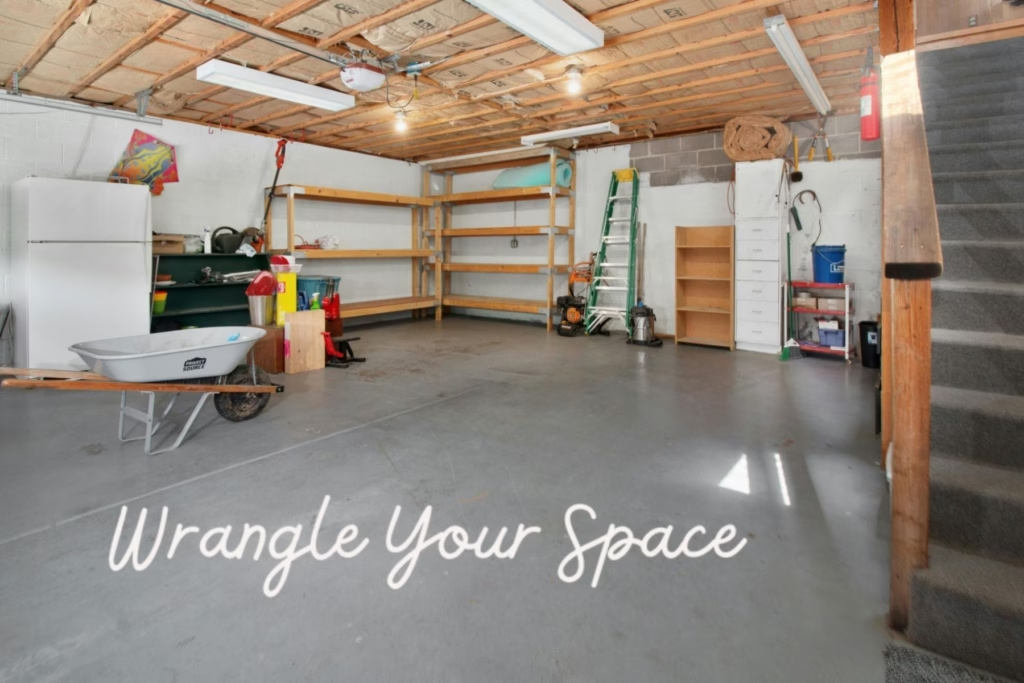
The average basement tends to have:
- Higher humidity levels
- Greater temperature fluctuations
- Less air circulation
- Increased risk of pests
- Higher flood vulnerability
Even homes that feel “dry” can experience moisture shifts seasonally. Below are the items I strongly recommend keeping out of your basement and why!
Items You Should Never Store in a Basement
1. Important Paper Documents
Paper is highly absorbent. In humid conditions, it can begin to warp, ripple, and develop mold growth.
According to the Centers for Disease Control and Prevention (CDC), mold thrives in damp environments and can begin growing on porous materials like paper within 24–48 hours of moisture exposure.
Birth certificates, passports, tax documents, property records, and insurance policies should be stored in a dry, climate-controlled space, ideally in a portable file box upstairs.
2. Photographs
Photo paper and adhesives are extremely sensitive to moisture and temperature changes. Over time, humidity can cause:
- Curling
- Fading
- Sticking
- Mold spotting
The National Archives recommends storing photographs in stable, cool, dry environments to prevent long-term degradation.
If they’re irreplaceable, they shouldn’t live in fluctuating basement air.
3. Cardboard Boxes
Cardboard absorbs moisture from the air, weakens structurally, and becomes a breeding ground for mold and pests.

The Environmental Protection Agency (EPA) notes that porous materials like cardboard are particularly vulnerable in damp conditions.
If you’re storing items long term, sealed plastic bins are a far safer option.
4. Clothing and Seasonal Wardrobes
Fabrics absorb moisture easily, which can lead to mildew odors and staining. Even small fluctuations in humidity can cause long-term damage over time.
Natural fibers like cotton, wool, and silk are especially vulnerable.
I’ve opened bins of baby clothes stored “just for a year” that were already musty beyond repair.
If you plan to wear it again just store it upstairs.
5. Bedding, Linens and Pillows
Just like clothing, bedding traps moisture. Pillows in particular can absorb dampness deep into the fill, creating the perfect environment for mold growth.
Even if items are stored in plastic bags, trapped moisture inside the bag can cause issues!
6. Books
Books are extremely susceptible to humidity damage. I once lost half of my book collection to basement moisture. 🙁 Pages warp, bindings loosen, and mold can form between pages.
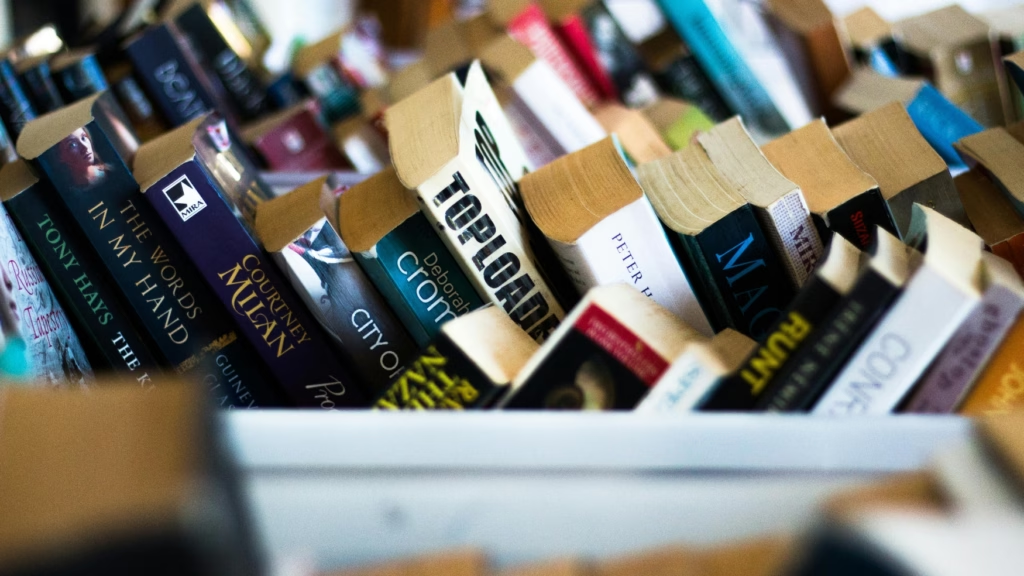
Libraries and archives carefully control humidity for this exact reason.
If your books matter to you (don’t they all?!), they need stable air.
7. Electronics
Basements experience temperature swings that can create condensation inside electronics.
Humidity can corrode:
- Circuit boards
- Wiring
- Internal metal components
According to guidance from electronics manufacturers, moisture exposure is one of the fastest ways to shorten device lifespan.
If you’re saving it because it works, don’t store it somewhere that will quietly destroy it.
8. Batteries
Humidity accelerates corrosion and increases the likelihood of leakage.
Leaking batteries can damage nearby items and create hazardous waste issues. The EPA’s household hazardous waste guidelines recommend proper storage in cool, dry locations.
A small battery organizer in an upstairs cabinet is a much safer solution.
9. Wood Furniture
Wood naturally expands and contracts with changes in humidity. In an uncontrolled basement, this movement increases dramatically.
Over time, that leads to:
- Warping
- Cracking
- Loose joints
- Veneer separation
Even antique or solid wood pieces are not immune.
If you love it, use it. Or store it somewhere climate-controlled.
10. Musical Instruments
Instruments made of wood are highly sensitive to environmental shifts. Excess humidity can weaken glue joints, warp wood, and corrode strings and hardware.

Professional instrument care guidelines consistently recommend stable humidity between 40–50%, something most basements cannot maintain.
11. Artwork and Framed Prints
Canvas, paper prints, and even framed pieces can absorb moisture. Condensation can form behind glass frames, leading to mold growth.
Even metal frames can corrode in humid conditions! If you’re not ready to display artwork, store it inside your living space.
12. Keepsakes and Memory Boxes
Scrapbooks, childhood items, heirlooms, trophies — many of these are made of mixed materials (paper, fabric, metal, wood). Basements expose them to every risk at once: humidity, pests, and potential water intrusion.
According to FEMA, basements are among the first areas affected during flooding events, even minor ones. If it’s irreplaceable, it shouldn’t live below ground.
13. Holiday Decorations (Selective Caution)
Durable plastic décor stored in sealed bins is usually fine. However, the following:
- Fabric stockings
- Tree skirts
- Sentimental ornaments
- Handmade decorations
are all vulnerable to moisture damage and pest intrusion. So make sure to separate durable décor from sentimental items when storing.
14. Canned Food and Pantry Overflow
Extreme heat and cold fluctuations can shorten shelf life and affect food safety.
The USDA recommends storing canned goods in a cool, dry place with consistent temperatures — generally between 50–70°F. Some unfinished basements exceed that range seasonally.
15. Paint, Gasoline and Other Flammable Materials
Many basements contain furnaces or water heaters with open flames.
The National Fire Protection Association (NFPA) advises against storing flammable liquids near ignition sources. Improper storage increases fire risk and can create dangerous fume buildup.
What Can You Safely Store in a Basement?
So What Is Basement-Safe?
Basements are best for:
- Sealed plastic bins
- Non-porous materials
- Tools
- Durable outdoor equipment
- Items you would not be devastated to lose
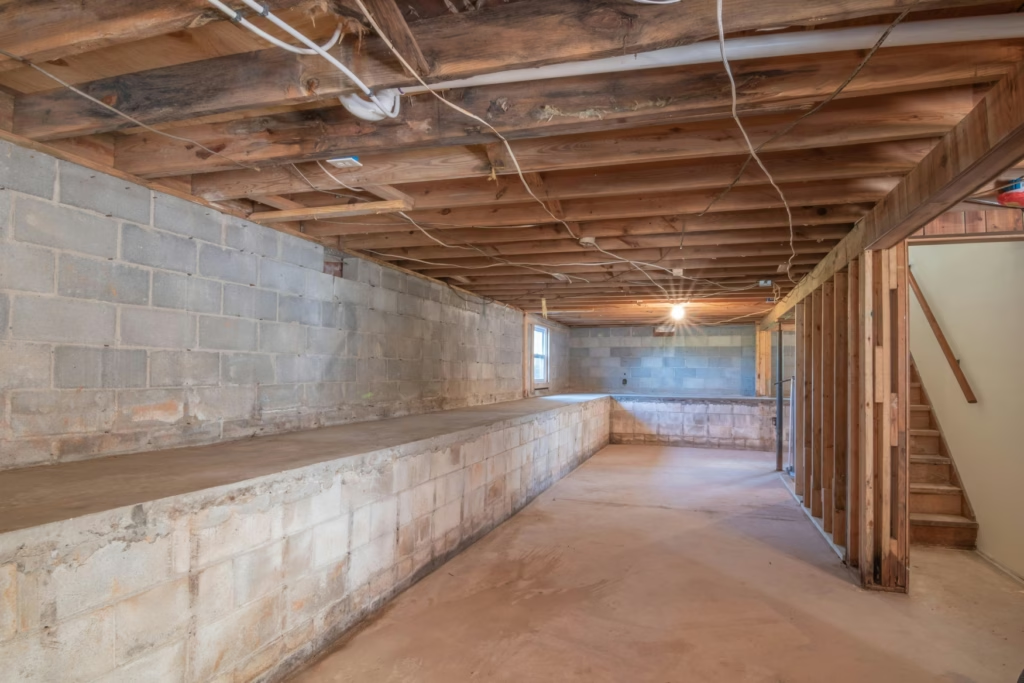
When deciding, I always ask clients: If this were damaged by moisture or water, would I be upset? If the answer is yes, it likely belongs upstairs. Basements are insanely useful! But they’re not neutral storage space.
If you’re unsure what should stay and what should move, we can absolutely evaluate it together and create a plan that protects the things that matter most. Reach out today!